
📞
BSIS PPO License: 122365
+1 (818) 966-2279
✉️
Sahnaz@workforcesecurityservices.com
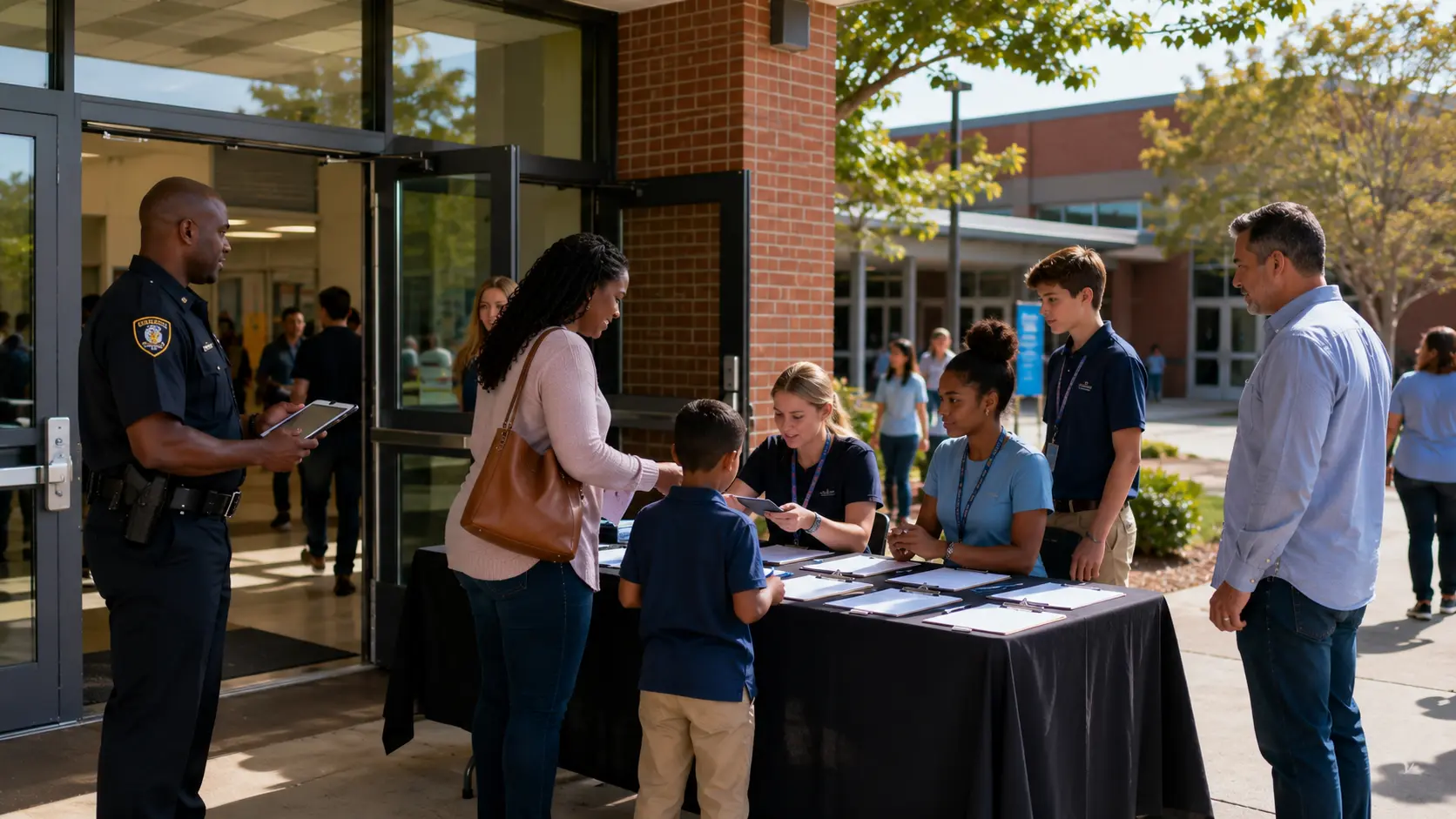
How to Plan School Event Security: A Complete Guide for Safe and Successful Events
School events bring students, parents, teachers, staff, and community members together to celebrate achievements, support extracurricular activities, and strengthen school relationships. Whether it’s a graduation ceremony, sporting event, school dance, fundraising festival, open house, or cultural celebration, these gatherings often attract hundreds—or even thousands—of attendees.
While these events create positive experiences, they also introduce unique security challenges. Large crowds, multiple entry points, temporary vendors, increased vehicle traffic, and open public access require careful planning to ensure the safety of everyone involved.
Effective school event security is not about creating an intimidating environment. Instead, it focuses on preventing incidents, supporting emergency preparedness, and helping events run smoothly while maintaining a welcoming atmosphere.
This guide explains how schools can develop a comprehensive security plan for both small and large events.
Why School Event Security Matters
School events differ from normal school operations because they often involve larger crowds, extended hours, unfamiliar visitors, and temporary changes to campus operations.
A well-planned security program helps:
- Protect students
- Support staff safety
- Assist visitors
- Prevent unauthorized access
- Reduce opportunities for theft or vandalism
- Improve emergency response
- Support orderly traffic flow
- Strengthen community confidence
Planning allows schools to identify potential risks before they affect the event.
Types of School Events That Require Security Planning
Nearly every school gathering benefits from some level of security preparation.
Examples include:
- Graduation ceremonies
- Sporting events
- School dances
- Parent-teacher nights
- Open houses
- Science fairs
- Cultural festivals
- School concerts
- Fundraising events
- Career fairs
- Award ceremonies
- Community meetings
The level of security should match the size, location, and complexity of the event.
Step 1: Conduct a Security Risk Assessment
Every successful event begins with identifying potential risks.
Consider:
- Expected attendance
- Venue size
- Indoor or outdoor location
- Parking capacity
- Multiple entrances
- Emergency vehicle access
- Weather conditions
- VIP attendance
- High-profile activities
- Previous incident history
Documenting these factors helps determine appropriate security measures.
Step 2: Define Security Objectives
Schools should clearly establish their security priorities before the event.
Objectives may include:
- Safe student supervision
- Visitor accountability
- Crowd management
- Emergency preparedness
- Traffic control
- Protection of school property
- Efficient incident response
- Safe event conclusion
Clearly defined goals improve coordination among staff and security personnel.
Step 3: Develop an Access Control Plan
Managing who enters the event is one of the most effective ways to improve safety.
Access control measures may include:
- Designated public entrances
- Staff-only entrances
- Visitor check-in stations
- Event tickets or registrations
- Identification badges for staff and volunteers
- Controlled backstage or restricted areas
- Clearly marked emergency exits
Limiting unnecessary access reduces confusion and improves accountability.
Step 4: Assign Professional Security Personnel
Professional security officers play an important role during school events by supporting staff and helping maintain a safe environment.
Responsibilities may include:
- Monitoring entrances
- Conducting routine patrols
- Assisting visitors
- Observing crowd activity
- Responding to disturbances
- Coordinating with school administrators
- Supporting emergency evacuations
- Documenting incidents
Their role is preventive, focusing on visibility, communication, and assistance.
Step 5: Plan for Crowd Management
Crowd management helps prevent congestion and supports orderly movement throughout the event.
Key considerations include:
- Clearly marked entrances and exits
- Directional signage
- Queue management
- Seating arrangements
- Accessible routes
- Designated waiting areas
- Emergency evacuation routes
Large gatherings should avoid bottlenecks that could delay emergency response.
Step 6: Strengthen Visitor Management
School events often welcome parents, alumni, vendors, contractors, and community members.
Visitor management practices may include:
- Registration or ticket verification
- Visitor identification
- Vendor check-in procedures
- Volunteer credentials
- Staff identification badges
- Restricted access to academic buildings
Good visitor management improves both safety and organization.
Step 7: Prepare an Emergency Response Plan
Every event should have documented emergency procedures.
Plans should address:
- Medical emergencies
- Severe weather
- Fire alarms
- Power outages
- Lost children
- Missing persons
- Suspicious packages
- Unauthorized individuals
- Facility evacuations
Staff should know their responsibilities before the event begins.
Step 8: Coordinate with Local Emergency Services
Large events may benefit from coordination with:
- Local law enforcement
- Fire departments
- Emergency medical services
- Traffic management authorities
- School district safety officials
Early communication helps ensure rapid assistance if needed.
Step 9: Manage Vehicle and Pedestrian Traffic
Traffic congestion can become a significant safety concern during major events.
Planning should include:
- Designated parking areas
- Accessible parking
- Drop-off and pick-up zones
- Pedestrian crossings
- Traffic flow signage
- Overflow parking
- Emergency vehicle access routes
Traffic control personnel can help improve efficiency and reduce confusion.
Step 10: Use Security Technology
Modern technology enhances situational awareness during school events.
Examples include:
| Security Technology | Purpose |
|---|---|
| CCTV Cameras | Monitor public areas |
| Portable Radios | Communication between staff |
| Public Address Systems | Emergency announcements |
| Visitor Management Software | Verify attendees |
| Access Control Systems | Protect restricted areas |
| Emergency Notification Systems | Alert staff quickly |
| Incident Reporting Software | Document security events |
Technology supports—but does not replace—trained personnel and planning.
Step 11: Train Staff and Volunteers
Everyone assisting with the event should understand basic safety procedures.
Training topics include:
- Emergency contacts
- Incident reporting
- Visitor assistance
- Evacuation routes
- Medical response procedures
- Communication protocols
- Lost child procedures
Preparation reduces confusion during unexpected situations.
Step 12: Conduct Security Patrols
Routine patrols help identify concerns before they become incidents.
Security personnel may inspect:
- Parking lots
- Stadium seating
- Gymnasiums
- Hallways
- Outdoor gathering areas
- Vendor locations
- Restrooms
- Entry gates
Visible patrols also reassure attendees.
Step 13: Establish Communication Procedures
Clear communication is essential during any event.
Schools should define:
- Primary communication channels
- Emergency contact lists
- Incident reporting procedures
- Radio assignments
- Command structure
- Public announcement procedures
A coordinated communication plan supports faster decision-making.
Step 14: Perform a Post-Event Security Review
After the event, organizers should evaluate what worked well and identify opportunities for improvement.
Review:
- Security incidents
- Crowd movement
- Traffic flow
- Staff feedback
- Visitor feedback
- Emergency response effectiveness
- Equipment performance
Lessons learned can improve future events.
Best Practices for School Event Security
Schools can improve event safety by:
- Beginning security planning early
- Conducting site inspections
- Clearly assigning responsibilities
- Coordinating with emergency services
- Using trained security personnel
- Maintaining adequate lighting
- Inspecting access control systems
- Reviewing weather forecasts for outdoor events
- Communicating with attendees before the event
- Updating emergency plans regularly
Common Mistakes to Avoid
Avoid:
- Underestimating attendance
- Leaving multiple entrances unmonitored
- Poor communication between staff
- Inadequate parking management
- Insufficient signage
- Lack of emergency planning
- Untrained volunteers
- Failing to document incidents
- Ignoring accessibility requirements
Addressing these issues contributes to safer and more organized events.
Frequently Asked Questions
Why is security planning important for school events?
School events often draw larger crowds and public access, increasing the need for well-organized security measures to protect students, staff, visitors, and school property.
Should every school event have security personnel?
Not every event requires the same level of security. The number of security personnel should be based on factors such as attendance, event type, venue size, and identified risks.
What is the role of school security officers during events?
Security officers help monitor entrances, assist visitors, manage crowds, conduct patrols, respond to incidents, and support emergency procedures while maintaining a welcoming environment.
How can schools improve visitor safety?
Visitor safety can be enhanced through controlled entry points, visitor registration, clear signage, effective communication, trained staff, and emergency preparedness.
When should emergency services be involved in planning?
Schools should coordinate with local emergency services for larger events, high-attendance gatherings, or activities that present additional logistical or safety considerations.
Conclusion
Successful school events depend on thoughtful planning, effective communication, and proactive security measures. By conducting risk assessments, implementing access control, preparing emergency response plans, managing crowds, and coordinating with trained security personnel, schools can create safe environments that allow students, families, and community members to focus on enjoying the event.
A balanced approach to school event security protects people and property while preserving the welcoming atmosphere that makes school events memorable.