
📞
BSIS PPO License: 122365
+1 (818) 966-2279
✉️
Sahnaz@workforcesecurityservices.com
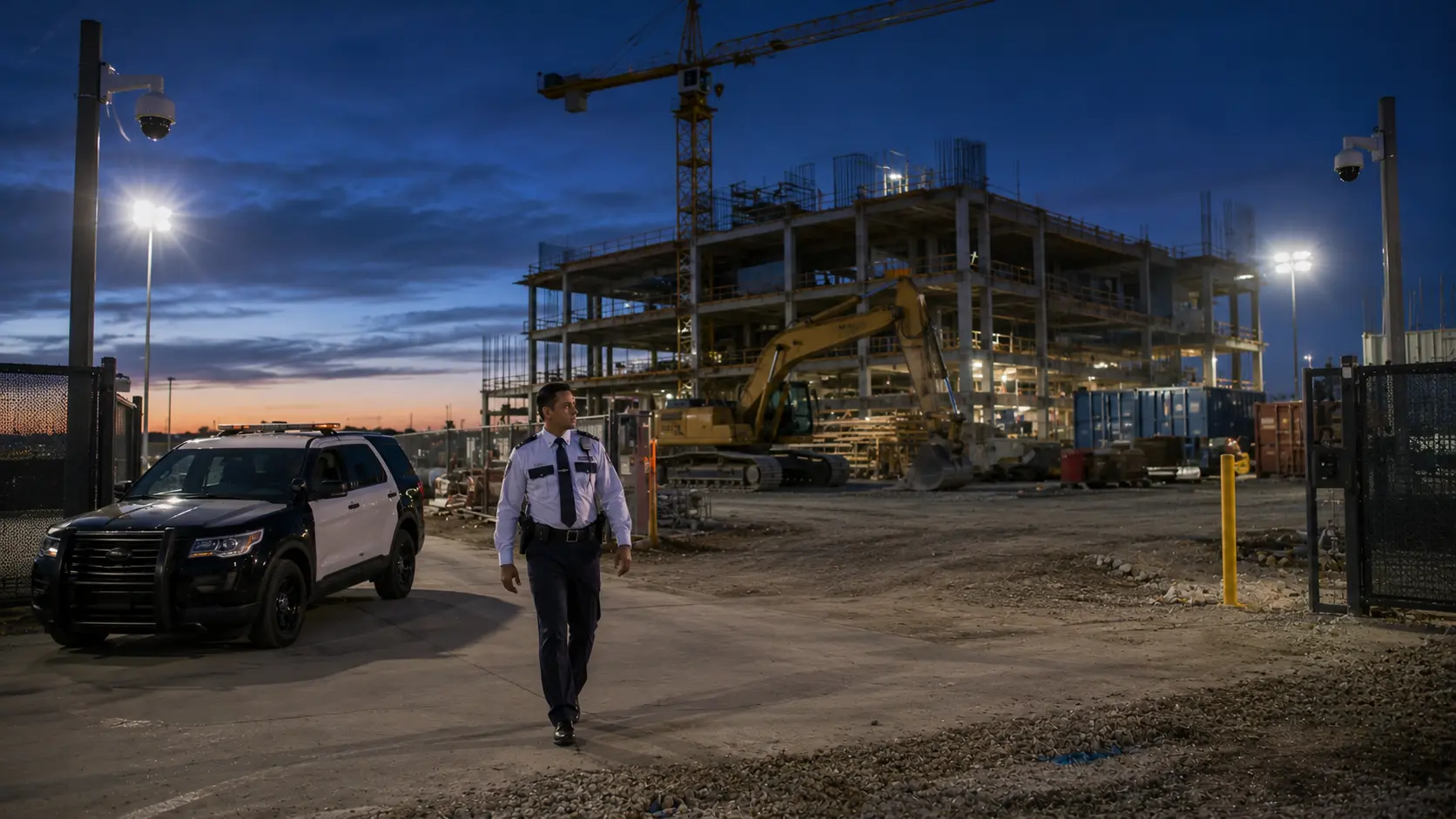
Overnight Construction Site Security Checklist: Best Practices to Protect Equipment, Materials, and Job Sites
Construction sites often become more vulnerable after normal working hours. Once employees leave for the day, valuable equipment, building materials, tools, and partially completed structures may remain unattended for extended periods. These conditions can create opportunities for theft, vandalism, trespassing, and unauthorized access if appropriate security measures are not in place.
A proactive overnight security strategy helps reduce risks while supporting worker safety, project continuity, and property protection. Whether managing a residential development, commercial office project, industrial facility, infrastructure project, or renovation site, conducting a consistent end-of-day security inspection can help identify vulnerabilities before they become costly incidents.
This guide provides a comprehensive overnight construction site security checklist along with practical recommendations for strengthening after-hours security.
Why Overnight Construction Site Security Matters
Construction sites often contain high-value assets that are attractive to criminals.
Common examples include:
- Heavy equipment
- Power tools
- Copper wiring
- Lumber
- Steel materials
- Fuel storage
- Generators
- HVAC equipment
- Electrical supplies
The financial impact of theft or vandalism extends beyond replacing stolen items. Incidents may also lead to project delays, increased insurance claims, contract penalties, and additional labor costs.
A structured overnight security program helps reduce these risks.
Common Overnight Security Risks
Construction sites may experience various security challenges after working hours.
These include:
- Equipment theft
- Material theft
- Copper theft
- Fuel theft
- Vehicle theft
- Vandalism
- Trespassing
- Illegal dumping
- Arson
- Unauthorized after-hours access
Understanding these risks helps contractors prioritize security resources effectively.
Construction Site Security Checklist
1. Secure All Site Entrances
Before leaving the site, verify that all entry points are properly secured.
Checklist:
☐ Lock all access gates
☐ Secure temporary fencing
☐ Close vehicle entrances
☐ Verify gate latches
☐ Remove unauthorized access points
☐ Confirm perimeter integrity
Controlled access significantly reduces opportunities for unauthorized entry.
2. Inspect Temporary Fencing
Temporary fencing serves as the first physical barrier protecting the site.
Inspect for:
- Loose panels
- Damaged sections
- Missing connections
- Gaps beneath fencing
- Unstable supports
- Unauthorized openings
Any damage should be repaired promptly.
3. Secure Heavy Equipment
Heavy machinery should never be left unsecured overnight.
Recommended practices include:
- Remove ignition keys
- Lock operator cabins
- Lower buckets and attachments
- Engage parking brakes
- Activate anti-theft devices
- Park equipment in well-lit areas
- Position machinery to discourage unauthorized movement
Where practical, equipment may also be parked in configurations that make unauthorized removal more difficult.
4. Lock Up Tools and Portable Equipment
Portable tools are among the most commonly stolen construction assets.
Store:
- Power tools
- Survey equipment
- Lasers
- Generators
- Compressors
- Welding equipment
- Batteries
Use secure containers or lockable storage units whenever possible.
5. Protect Building Materials
Construction materials should be organized and secured before crews leave.
Examples include:
- Copper pipe
- Electrical wire
- Lumber
- Drywall
- HVAC components
- Plumbing fixtures
- Windows
- Doors
High-value materials should be stored in locked containers or restricted-access areas.
6. Verify Exterior Lighting
Adequate lighting improves visibility and discourages unauthorized activity.
Inspect:
☐ Parking areas
☐ Equipment storage
☐ Material storage
☐ Entry gates
☐ Perimeter fencing
☐ Temporary structures
Burned-out fixtures should be replaced promptly.
7. Test Security Cameras
Video surveillance supports both deterrence and incident documentation.
Verify that cameras:
- Are powered
- Record properly
- Cover critical areas
- Have unobstructed views
- Function during nighttime conditions
Important locations include:
- Entry gates
- Equipment yards
- Material storage
- Fuel tanks
- Site offices
- Parking areas
8. Secure Fuel Storage
Fuel theft can interrupt construction operations.
Inspect:
- Fuel tanks
- Portable fuel containers
- Generator fuel supplies
- Locking mechanisms
- Spill containment
Access to fuel storage should be limited to authorized personnel.
9. Lock Site Offices and Storage Containers
Temporary offices frequently contain:
- Project documents
- Computers
- Survey equipment
- Keys
- Radios
- Spare tools
Verify that:
☐ Doors are locked
☐ Windows secured
☐ Alarm systems activated
☐ Sensitive documents stored safely
10. Remove Valuable Items from Open Areas
Avoid leaving valuable assets exposed overnight.
Examples include:
- Laptops
- Tablets
- GPS equipment
- Measuring instruments
- Expensive hand tools
- Personal belongings
Reducing visible targets lowers theft opportunities.
11. Check Access Control Systems
If electronic access systems are installed, verify:
- Credential readers function properly
- Temporary credentials are disabled
- Electronic locks operate correctly
- Gate controls respond appropriately
Access records should be reviewed periodically.
12. Verify Alarm Systems
Before leaving:
☐ Activate intrusion alarms
☐ Test communication systems
☐ Confirm monitoring connections
☐ Verify battery backup
Alarm systems should complement—not replace—physical security measures.
13. Schedule Security Patrols
Professional security patrols provide an additional layer of protection during overnight hours.
Patrol officers may:
- Inspect gates
- Monitor equipment
- Check perimeter fencing
- Observe suspicious activity
- Verify lighting
- Respond to alarms
- Document unusual conditions
Randomized patrol schedules may reduce predictability.
14. Maintain Clear Site Visibility
Overgrown vegetation, stacked materials, and temporary structures may obstruct visibility.
Keep:
- Walkways clear
- Fence lines visible
- Camera views unobstructed
- Emergency access routes open
Good visibility supports both surveillance and patrol effectiveness.
15. Document Daily Security Inspections
A documented inspection helps demonstrate due diligence.
Inspection reports may include:
- Date and time
- Inspector name
- Gate conditions
- Equipment status
- Lighting inspection
- Camera inspection
- Alarm verification
- Noted deficiencies
- Corrective actions
Consistent documentation supports future investigations and operational improvements.
Additional Security Best Practices
Construction companies can further strengthen overnight security by:
- Installing motion-activated lighting
- Using tamper-resistant locks
- Limiting after-hours deliveries
- Maintaining visitor logs
- Assigning equipment inventory numbers
- Conducting regular risk assessments
- Coordinating with neighboring businesses
- Posting emergency contact information
- Reviewing incident reports regularly
Security is most effective when multiple protective measures work together.
The Role of Professional Construction Site Security
Construction security officers help protect projects through proactive monitoring and routine inspections.
Typical responsibilities include:
- Access control
- Vehicle monitoring
- Visitor verification
- Perimeter patrols
- Equipment inspections
- Incident reporting
- Alarm response
- Emergency coordination
Visible security personnel may also discourage unauthorized activity through their regular presence.
Common Mistakes to Avoid
Construction sites should avoid:
- Leaving gates unlocked
- Storing keys inside equipment
- Poor perimeter lighting
- Unsecured fuel storage
- Failing to inspect fencing
- Ignoring minor vandalism
- Inadequate camera coverage
- Inconsistent patrol schedules
- Poor documentation
Addressing these issues can significantly strengthen overnight security.
Frequently Asked Questions
Why are construction sites targeted after hours?
Construction sites often contain valuable equipment, tools, fuel, and building materials while having fewer personnel present overnight, making them attractive targets for theft and vandalism.
How often should overnight security inspections be performed?
A complete inspection should be conducted at the end of each workday before crews leave the site. Additional inspections may be appropriate during weekends, holidays, or high-risk phases of a project.
Are surveillance cameras enough to protect a construction site?
Surveillance cameras are an important component of site security but work best when combined with physical barriers, adequate lighting, controlled access, and professional security patrols.
Should construction equipment be moved each night?
Equipment should be parked in secure, well-lit areas, locked, and configured to discourage unauthorized use. The exact procedures depend on the type of equipment and project requirements.
When should a construction project consider overnight security guards?
Projects involving high-value equipment, expensive building materials, extended construction timelines, remote locations, or increased theft risk may benefit from overnight security personnel or mobile patrol services.
Conclusion
Protecting a construction site after working hours requires more than simply locking the gate. Effective overnight security combines physical barriers, access control, surveillance, lighting, routine inspections, and trained security personnel to reduce opportunities for theft, vandalism, and unauthorized access.
By following a structured overnight construction site security checklist and reviewing site conditions consistently, contractors and property owners can improve security, support project continuity, and help safeguard valuable assets throughout every phase of construction.
The overnight part of construction security is where I think a good checklist really helps. During a night shift, there are fewer people around, so even a small noise or movement can stand out. I have found that knowing the site layout and checking the less obvious areas can be just as important as watching the main entrance.