📞
BSIS PPO License: 122365
+1 (818) 966-2279
✉️
Sahnaz@workforcesecurityservices.com
How Professional Security Patrols Prevent Crime Before It Happens
Security is most effective when it prevents incidents rather than simply responding after they occur. While surveillance cameras, alarm systems, and access control technologies play important roles in protecting commercial properties, professional security patrols add a proactive layer of protection by identifying suspicious activity, addressing vulnerabilities, and discouraging criminal behavior before it escalates.
From office buildings and retail centers to warehouses, construction sites, residential communities, hotels, and industrial facilities, mobile and on-foot security patrols help businesses maintain a safer environment while reducing opportunities for crime.
This guide explains how professional security patrols work, why they are effective, and how they contribute to a comprehensive physical security strategy.
What Are Professional Security Patrols?
Professional security patrols involve trained security personnel conducting scheduled or randomized inspections of a property to monitor conditions, identify security concerns, and respond to potential threats.
Depending on the property’s size and operational requirements, patrols may be conducted:
- On foot
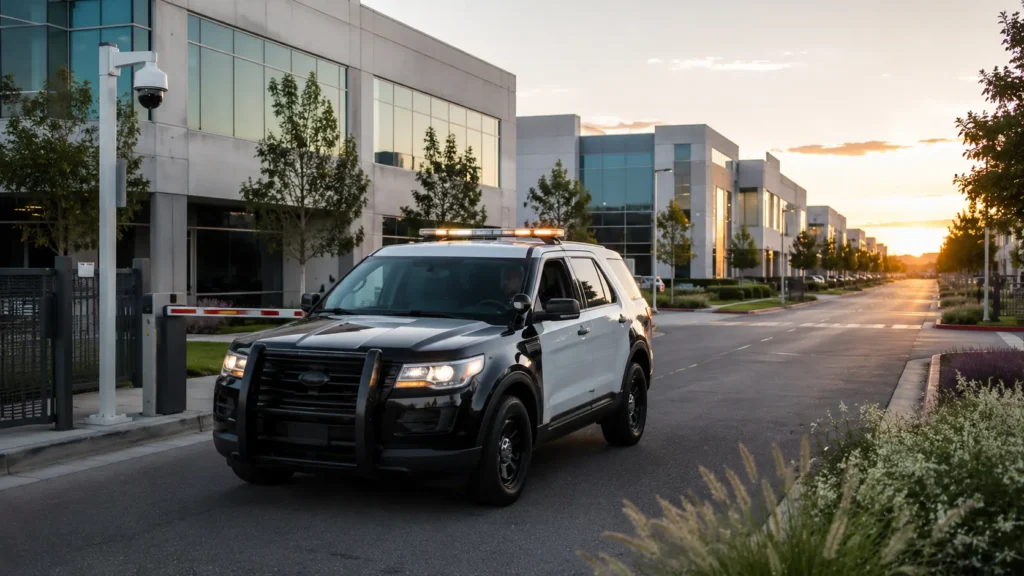
- In marked patrol vehicles
- Using bicycles
- With golf carts on large campuses
- Through a combination of patrol methods
Unlike stationary security posts, patrol officers regularly move throughout the property, allowing them to observe different areas and detect unusual activity.
Why Criminals Avoid Properties with Visible Security Patrols
Many crimes are crimes of opportunity. Criminals often seek locations where they are unlikely to be observed or interrupted.
Visible patrols increase the perceived risk of detection by:
- Demonstrating active security presence
- Reducing opportunities for unauthorized access
- Increasing uncertainty about patrol schedules
- Identifying suspicious individuals early
- Encouraging compliance with property rules
A well-managed patrol program helps create an environment where potential offenders perceive a higher likelihood of being noticed.
The Difference Between Reactive and Proactive Security
| Reactive Security | Proactive Security Patrols |
|---|---|
| Respond after an incident | Identify issues before incidents occur |
| Investigate damage | Reduce opportunities for crime |
| Replace stolen property | Deter theft through visibility |
| Respond to alarms | Monitor vulnerable areas continuously |
| Document incidents | Prevent incidents whenever possible |
While no security measure can eliminate every risk, proactive patrols focus on reducing the likelihood of incidents occurring in the first place.
How Security Patrols Help Prevent Crime
1. Maintaining a Visible Security Presence
One of the strongest deterrents is simply being seen.
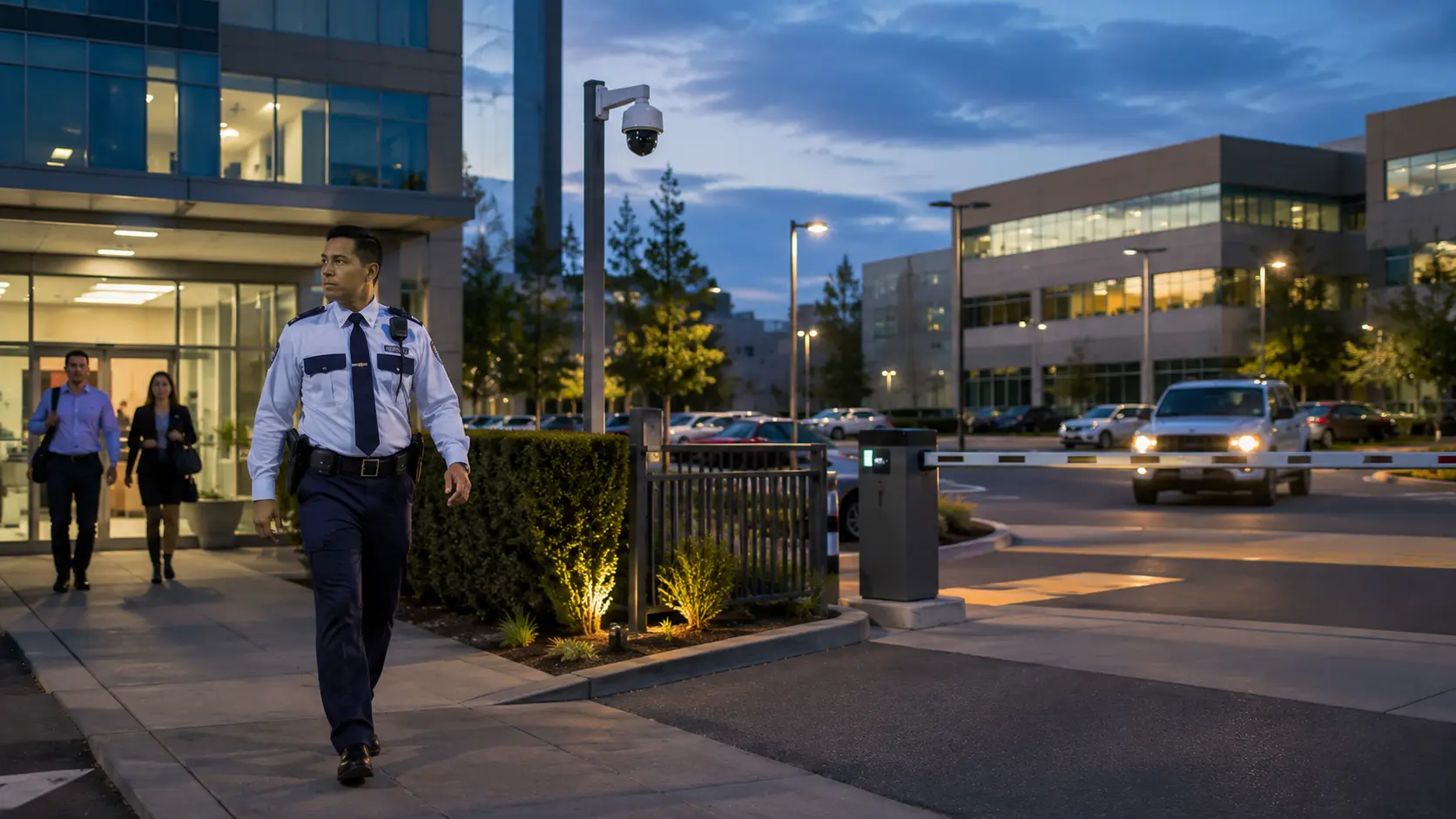
Uniformed security officers regularly patrolling entrances, parking lots, loading docks, corridors, and public areas signal that the property is actively monitored.
This visible presence can discourage:
- Trespassing
- Vehicle break-ins
- Shoplifting
- Vandalism
- Unauthorized loitering
- Property damage
Consistency and professionalism reinforce the perception that security measures are actively enforced.
2. Detecting Suspicious Activity Early
Security patrol officers are trained to recognize behaviors and conditions that may indicate elevated risk.
Examples include:
- Individuals attempting to access restricted areas
- Unattended bags or suspicious packages
- Damaged locks or doors
- Broken fencing
- Vehicles parked in unusual locations
- Persons loitering without a legitimate purpose
- Signs of attempted forced entry
Early observation allows issues to be addressed before they develop into larger incidents.
3. Inspecting Vulnerable Areas
Some locations naturally present greater security risks.
Patrol officers routinely inspect:
- Parking lots
- Building entrances
- Emergency exits
- Stairwells
- Loading docks
- Storage areas
- Rooftop access points
- Mechanical rooms
- Perimeter fencing
- Delivery entrances
Regular inspections help identify vulnerabilities such as unlocked doors, damaged lighting, or broken barriers that could be exploited.
4. Conducting Randomized Patrols
Predictable patrol schedules can reduce effectiveness because they allow individuals to anticipate when areas are unmonitored.
Professional security providers often vary:
- Patrol routes
- Inspection times
- Checkpoint sequences
- Parking area inspections
- Exterior perimeter checks
Randomized patrols increase uncertainty and reduce opportunities for planned criminal activity.
5. Monitoring Parking Lots and Exterior Areas
Parking areas often experience:
- Vehicle theft
- Break-ins
- Vandalism
- Unauthorized gatherings
- Personal safety concerns
Routine patrols improve visibility, identify hazards, assist visitors, and help maintain a secure environment in areas that are otherwise difficult to supervise continuously.
6. Supporting Access Control
Security patrols complement electronic access control systems by verifying that:
- Restricted doors remain secure
- Gates function properly
- Visitors follow established procedures
- Deliveries occur through designated entrances
- Unauthorized individuals do not enter restricted areas
Human observation helps identify issues that technology alone may not detect.
7. Responding Quickly to Security Concerns
When a potential issue is identified, patrol officers can respond promptly by:
- Investigating unusual activity
- Assisting employees or visitors
- Notifying property management
- Coordinating with emergency responders when appropriate
- Securing affected areas
Early intervention may reduce the severity of an incident and improve overall safety.
8. Reporting Hazards Beyond Crime
Security patrols often identify operational and safety issues unrelated to criminal activity, including:
- Water leaks
- Fire hazards
- Blocked emergency exits
- Damaged lighting
- Slip and trip hazards
- Equipment malfunctions
- Unsafe weather conditions
Reporting these issues contributes to a safer workplace and supports business continuity.
Types of Security Patrols
| Patrol Type | Typical Use |
|---|---|
| Foot Patrol | Offices, retail centers, hotels, schools |
| Vehicle Patrol | Industrial parks, business campuses, residential communities |
| Bicycle Patrol | Large commercial complexes, downtown districts |
| Golf Cart Patrol | Hospitals, resorts, campuses |
| Perimeter Patrol | Warehouses, construction sites, manufacturing facilities |
| Interior Patrol | Office buildings, hospitals, shopping centers |
Many organizations use a combination of patrol methods based on property size and operational needs.
Industries That Benefit from Security Patrol Services
Professional patrol services support a wide range of industries.
Office Buildings
- Visitor monitoring
- Parking lot patrols
- After-hours inspections
- Building lockup procedures
Retail Centers
- Shoplifting deterrence
- Parking area monitoring
- Customer assistance
- Closing inspections
Construction Sites
- Equipment protection
- Material theft prevention
- Perimeter inspections
- Overnight patrols
Warehouses and Distribution Centers
- Loading dock inspections
- Trailer security
- Access control verification
- Inventory protection
Hotels
- Guest safety
- Parking garage patrols
- Event monitoring
- Public area inspections
Residential Communities
- Community patrols
- Amenity area inspections
- Visitor monitoring
- Common area security
Technology That Supports Security Patrols
Modern patrol operations often use technology to improve accountability and efficiency.
Examples include:
- GPS-enabled patrol tracking
- Digital incident reporting
- Electronic checkpoint verification
- Mobile communication systems
- Body-worn cameras (where appropriate)
- Integrated surveillance monitoring
- Mobile reporting applications
These tools help document patrol activities and provide accurate records for property managers.
Benefits Beyond Crime Prevention
Professional patrol services provide additional operational benefits.
Enhanced Employee Confidence
Employees often feel more comfortable knowing trained security personnel are actively monitoring the workplace.
Improved Customer Experience
Visible security can reassure customers and visitors while assisting when needed.
Faster Incident Reporting
Routine patrols allow problems to be identified and communicated quickly.
Protection of Business Reputation
Maintaining a safe and secure environment supports customer confidence and organizational resilience.
Best Practices for Effective Security Patrols
Organizations can improve patrol effectiveness by:
- Defining clear patrol objectives
- Maintaining detailed post orders
- Conducting randomized patrol schedules
- Training officers regularly
- Using standardized reporting procedures
- Reviewing incident trends
- Coordinating with property management
- Evaluating patrol coverage periodically
Regular reviews help ensure patrol strategies continue to align with changing operational needs.
Common Misconceptions About Security Patrols
“Security patrols only respond after incidents.”
Professional patrols are designed primarily to identify risks and deter incidents before they occur.
“Cameras eliminate the need for patrols.”
Surveillance systems provide valuable evidence and monitoring capabilities, but trained personnel can investigate conditions, interact with people, and respond in real time.
“Only large businesses need patrol services.”
Organizations of various sizes may benefit from patrols based on factors such as property layout, operating hours, visitor volume, and risk profile.
Frequently Asked Questions
How often should security patrols be conducted?
Patrol frequency depends on the property’s size, operating hours, occupancy, and risk profile. Some locations require continuous patrols, while others benefit from scheduled or randomized inspections.
What’s the difference between a mobile patrol and a static security guard?
A mobile patrol officer regularly moves throughout a property or multiple locations, while a static security guard remains assigned to a specific post such as an entrance or reception area.
Can security patrols replace surveillance cameras?
No. Patrols and surveillance systems serve complementary roles. Cameras provide monitoring and recorded evidence, while patrol officers offer human observation, interaction, and immediate response.
Are security patrols suitable for small businesses?
Yes. Small businesses can benefit from patrol services, particularly during evenings, weekends, or periods when facilities are unoccupied.
Do patrol officers perform safety inspections?
Many patrols include observations of safety concerns such as damaged lighting, unsecured doors, blocked exits, or other conditions that may require attention.
Conclusion
Professional security patrols are a proactive component of a comprehensive physical security program. By maintaining a visible presence, identifying vulnerabilities, monitoring high-risk areas, and responding promptly to potential concerns, patrol officers help reduce opportunities for crime and support a safer environment for employees, customers, and visitors.
Although no single measure can prevent every incident, combining trained security personnel with technology, clear procedures, and regular risk assessments provides businesses with a stronger and more resilient approach to protecting people, property, and daily operations.