📞
BSIS PPO License: 122365
+1 (818) 966-2279
✉️
Sahnaz@workforcesecurityservices.com
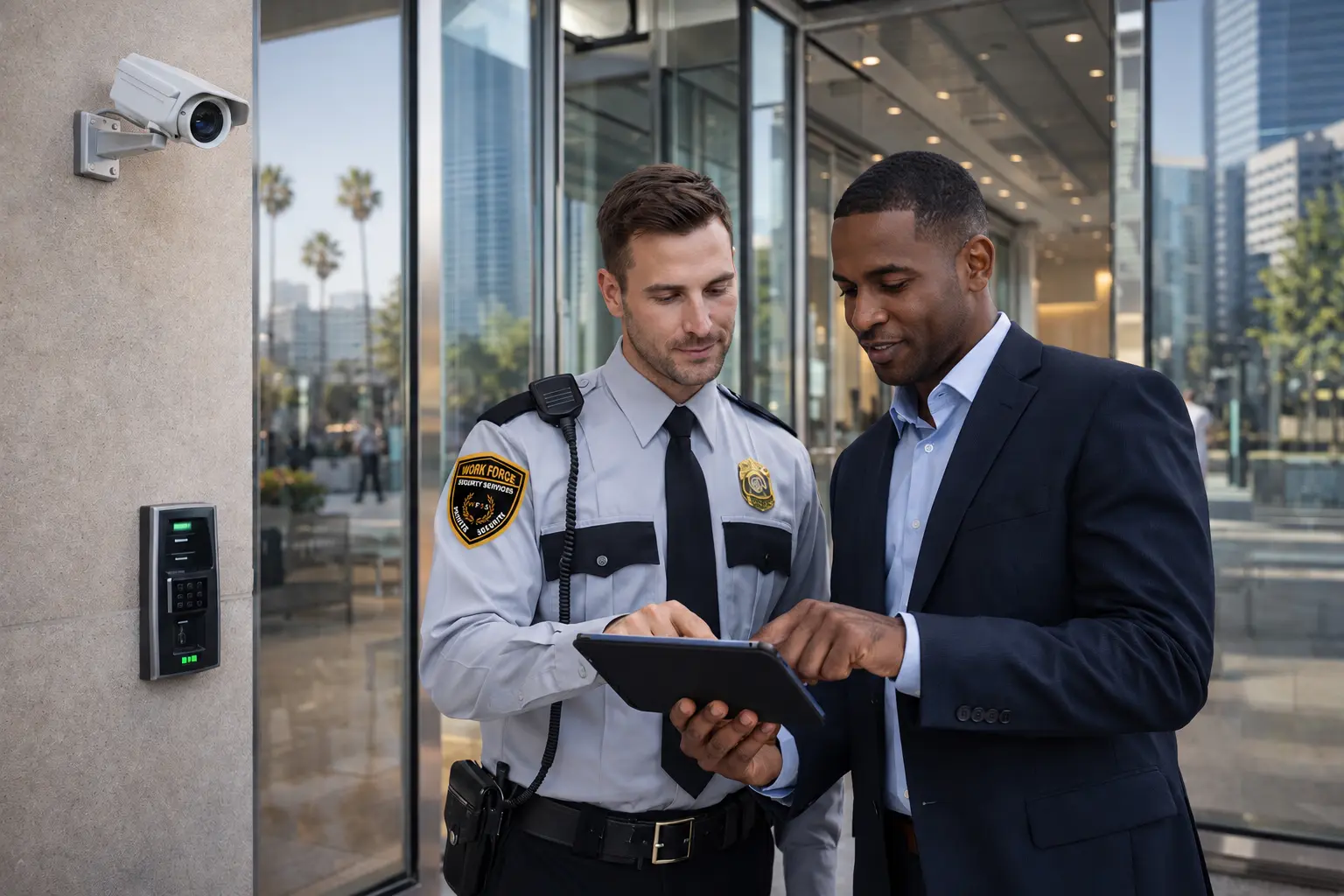
What Businesses Should Look for When Hiring a Security Company
Security is an essential part of running a successful business. Whether a company operates a retail store, office building, warehouse, or residential complex, protecting people and property is a priority. In large cities such as Los Angeles, businesses face various security challenges ranging from theft and vandalism to unauthorized access and safety incidents.
Hiring a professional security company can help address these concerns, but choosing the right provider requires careful evaluation. Not all security services are the same, and selecting a qualified, reliable company is crucial for maintaining a safe environment.
This guide explains the key factors businesses should consider when hiring a security company, helping decision-makers choose a provider that meets their safety needs and operational requirements.
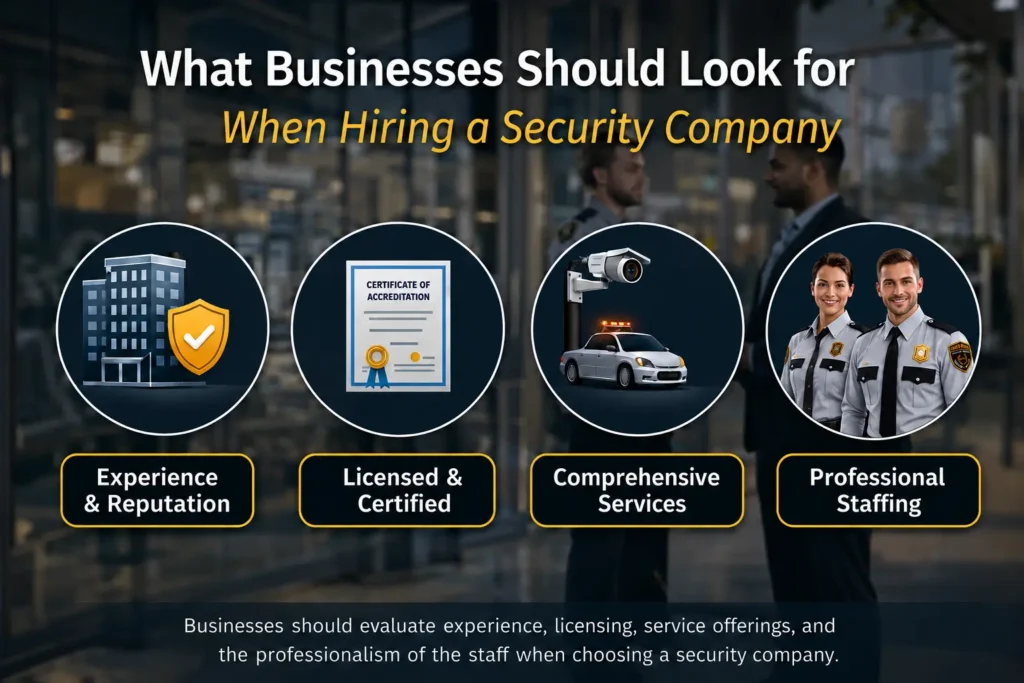
1. Proper Licensing and Legal Compliance
One of the first things businesses should verify when hiring a security company is whether the provider is properly licensed and compliant with state regulations.
In California, security companies must operate under licenses issued by the Bureau of Security and Investigative Services (BSIS). This regulatory body oversees security guard companies, ensuring they meet professional standards and legal requirements.
A licensed security company demonstrates that it follows state regulations related to training, certification, and operational procedures. Businesses should confirm that the company holds a valid license and that its security personnel meet the required qualifications.
Working with a licensed provider also helps reduce legal risks and ensures the security team operates within established professional standards.
2. Experience and Industry Expertise
Experience plays an important role in the effectiveness of security services. Companies with a proven track record are more likely to understand potential risks and implement strategies that prevent incidents before they occur.
When evaluating a security provider, businesses should consider factors such as:
- years of operation in the security industry
- experience working with similar types of properties
- familiarity with local security challenges
For example, the security requirements for a retail store may differ significantly from those of a construction site or corporate office building. A company that has experience in the relevant industry can offer more targeted solutions.
3. Professional Training and Qualifications
Security personnel must be properly trained to handle a wide range of situations, including emergency response, conflict resolution, and incident reporting.
Businesses should ask about the training programs provided to security officers. Effective training typically includes:
- situational awareness
- communication and conflict management
- emergency response procedures
- legal guidelines and safety protocols
Well-trained security officers are better prepared to assess risks, respond calmly during incidents, and maintain a professional presence on the property.
4. Range of Security Services Offered
Different businesses require different types of security support. A reliable security company should offer services that match the specific needs of the client.
Some common security services include:
- on-site security guards
- mobile patrol services
- event security
- access control monitoring
- surveillance system support
A company that provides multiple service options can often create a customized security plan tailored to the property’s layout, operating hours, and potential risks.
5. Strong Reputation and Client References
Reputation is an important indicator of a security company’s reliability and professionalism. Businesses should research potential providers and review feedback from previous clients.
Sources of information may include:
- online reviews
- business directories
- client testimonials
- referrals from other businesses
Requesting references from existing or past clients can provide valuable insights into the company’s service quality, responsiveness, and overall professionalism.
6. Clear Communication and Reporting Procedures
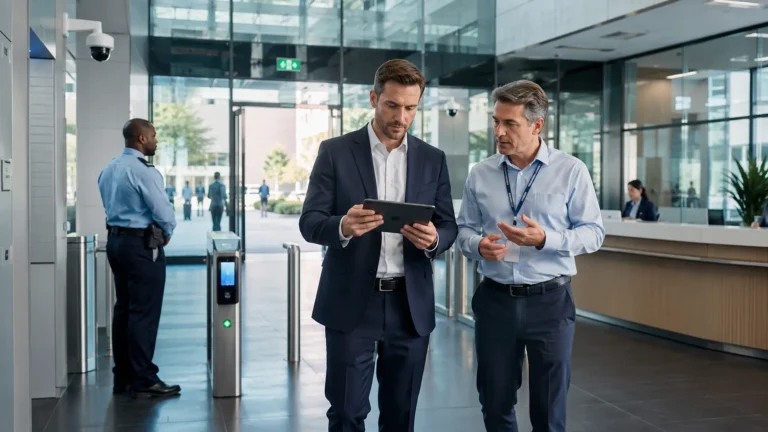
Effective communication is essential for successful security operations. Security teams must be able to report incidents, share updates, and coordinate with property managers or business owners.
A professional security company should provide clear reporting systems that may include:
- incident reports
- daily activity logs
- emergency response notifications
Transparent communication ensures that businesses remain informed about security conditions on their property.
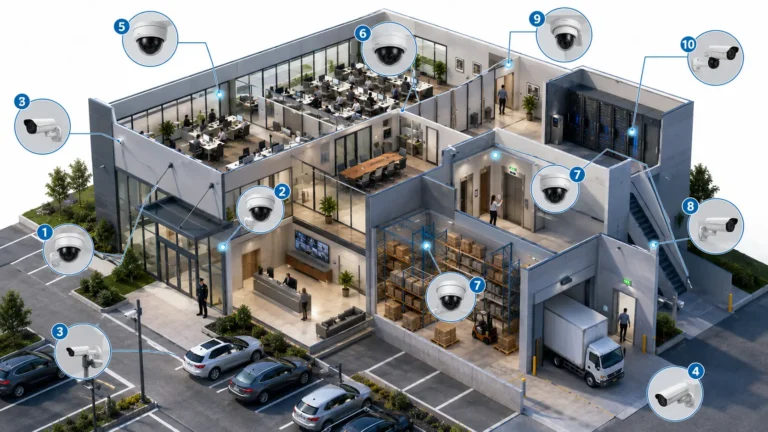
7. Use of Modern Security Technology
Technology has become an important part of modern security services. Many security providers integrate digital tools to improve monitoring and reporting.
Examples of commonly used technologies include:
- surveillance camera systems
- access control software
- mobile patrol tracking systems
- digital incident reporting tools
Technology can enhance the effectiveness of security operations by providing real-time information and improving response times.
8. Flexibility and Customized Security Plans
Every property has unique security requirements based on its size, location, and operations. A professional security company should be able to adapt its services to meet those specific needs.
For example, some businesses may require security personnel during nighttime hours, while others may need full-time on-site guards or mobile patrols.
Customized security planning allows companies to focus resources where they are most needed and ensures that security measures align with operational priorities.
9. Emergency Response and Incident Management
Security personnel often serve as the first responders when incidents occur on a property. Their ability to manage emergencies effectively can significantly reduce risks and minimize disruption.
Businesses should ask how security officers are trained to handle situations such as:
- medical emergencies
- fire alarms
- unauthorized entry
- workplace disturbances
Clear procedures for incident management help ensure that security teams respond quickly and appropriately when unexpected situations arise.
10. Professional Appearance and Conduct
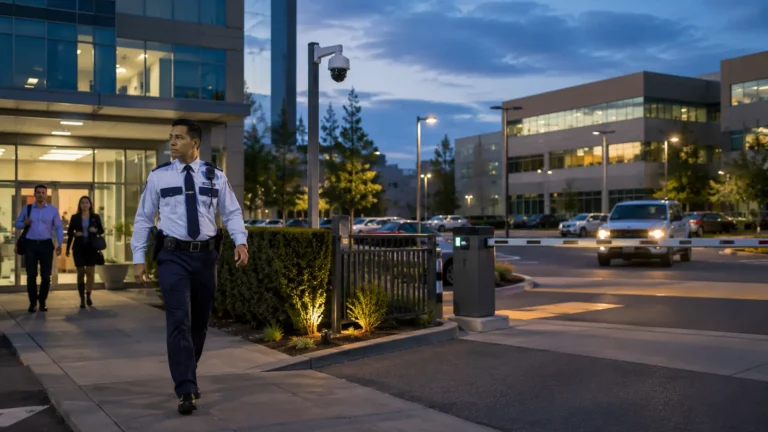
Security officers represent the first line of protection for many businesses. Their appearance and behavior contribute to the overall impression of safety and professionalism.
Well-presented security personnel help create a positive environment for employees, customers, and visitors. Professional conduct includes:
- maintaining a respectful attitude
- communicating clearly with staff and guests
- following established procedures
A security company that emphasizes professionalism in its personnel can enhance both safety and customer confidence.
Building a Long-Term Security Partnership
Choosing a security company is not simply a short-term decision—it often becomes an ongoing partnership. A reliable provider should demonstrate commitment to maintaining safety, responding to concerns, and continuously improving security strategies.
Businesses should take the time to evaluate potential providers carefully, considering factors such as licensing, experience, training, and reputation. A thoughtful selection process helps ensure that the chosen security company can deliver consistent and effective protection.
In a large and active city like Los Angeles, proactive security planning plays an important role in protecting commercial properties and maintaining safe environments for employees and visitors.
By working with a qualified security provider, businesses can reduce risks, strengthen their security infrastructure, and operate with greater confidence knowing that safety is a priority.